

Home » Claire Sexton on Procurement Trends 2026: Driving Strategic Impact with an End-to-End Source-to-Pay Platform
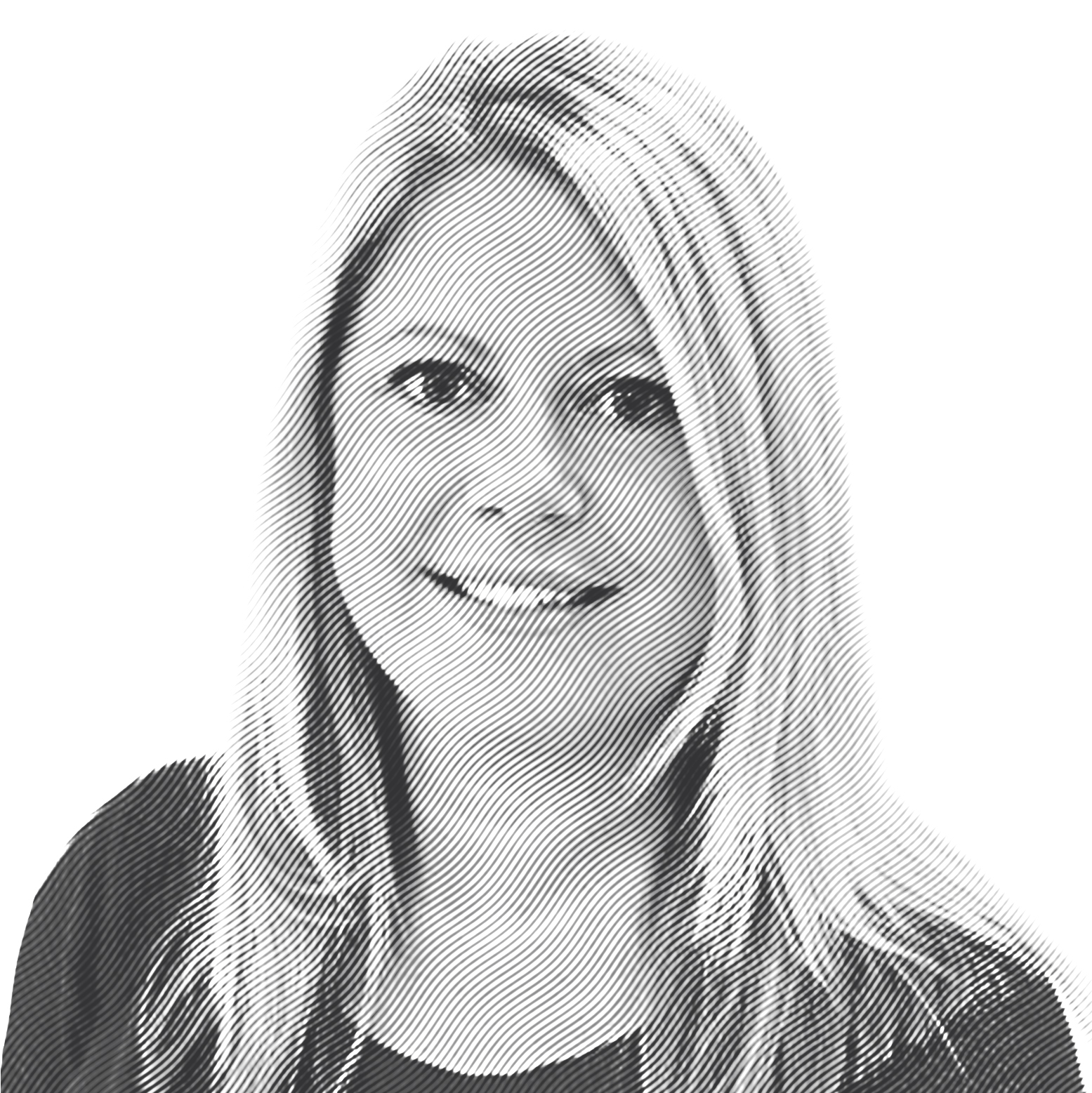
With more than 20 years of experience in sourcing, procurement, and enterprise sales, Claire Sexton has built deep expertise working with organizations ranging from mid-sized companies to Fortune 10 enterprises.
Throughout her career, she has partnered closely with executives to design and deploy procurement solutions that optimize end-to-end processes, strengthen sourcing strategies, and deliver measurable business value.
Claire’s focus is on helping leaders adopt tailored, pragmatic solutions that drive sustainable savings, enhance strategic supplier relationships, accelerate procurement cycles, and support long-term operational excellence.
I started my career in procurement straight after university, working as a buyer for Siemens Energy in the UK. After few years, I moved from procurement into consulting and began working for procurement technology providers.
Most of my career has been spent in procurement technology. In my early years, I worked in project management and consulting roles at BravoSolution, configuring solutions, training users, and helping customers understand how sourcing, contract management, and supplier management technologies could make them more efficient. Over time, I transitioned into account management and eventually into sales.
That journey took me around the world. I moved to Australia to help expand the business in APAC, then later to North America, where I’ve now been based in Chicago for the last ten years. I’ve stayed within the same ecosystem but worked across different markets and with organizations of all sizes. What’s interesting is that, regardless of geography, many customers face very similar challenges and opportunities.
Like many people, procurement wasn’t something I consciously chose at first — it wasn’t even really taught at university when I was studying. In many ways, procurement chose me.
What really attracted me, very early on, was technology. Coming from a manufacturing background, it was clear that ERPs had their place, but many processes around sourcing and procurement were still very manual. Seeing how technology could enable electronic auctions, drive cost savings, and improve efficiency was a real eye-opener. It was less about procurement itself at the beginning, and more about the role technology could play in transforming it — that’s what made me want to stay in the industry.
Having spent time on both sides — as a practitioner and as a technology provider — fundamentally shapes how I engage with customers. I understand their operational realities, their internal constraints, and the pressure they’re under to deliver value.
It means conversations are much more grounded. They’re not about selling features, but about understanding what customers are trying to achieve, what problems they’re facing, and how technology can realistically help them move forward.
Roger and I met on my very first day at a previous company — we flew straight to a conference together and ran meetings side by side. People we met genuinely couldn’t believe we’d only just met, because the chemistry was immediate.
Our personalities work very well together. We feed off each other when talking to customers, and we have very complementary strengths. We also share a large network and a very relationship-driven approach to the market. There’s a reason people joke that we’re like a “work marriage” — we know how each other operates, we challenge each other, and we always end up stronger as a result.
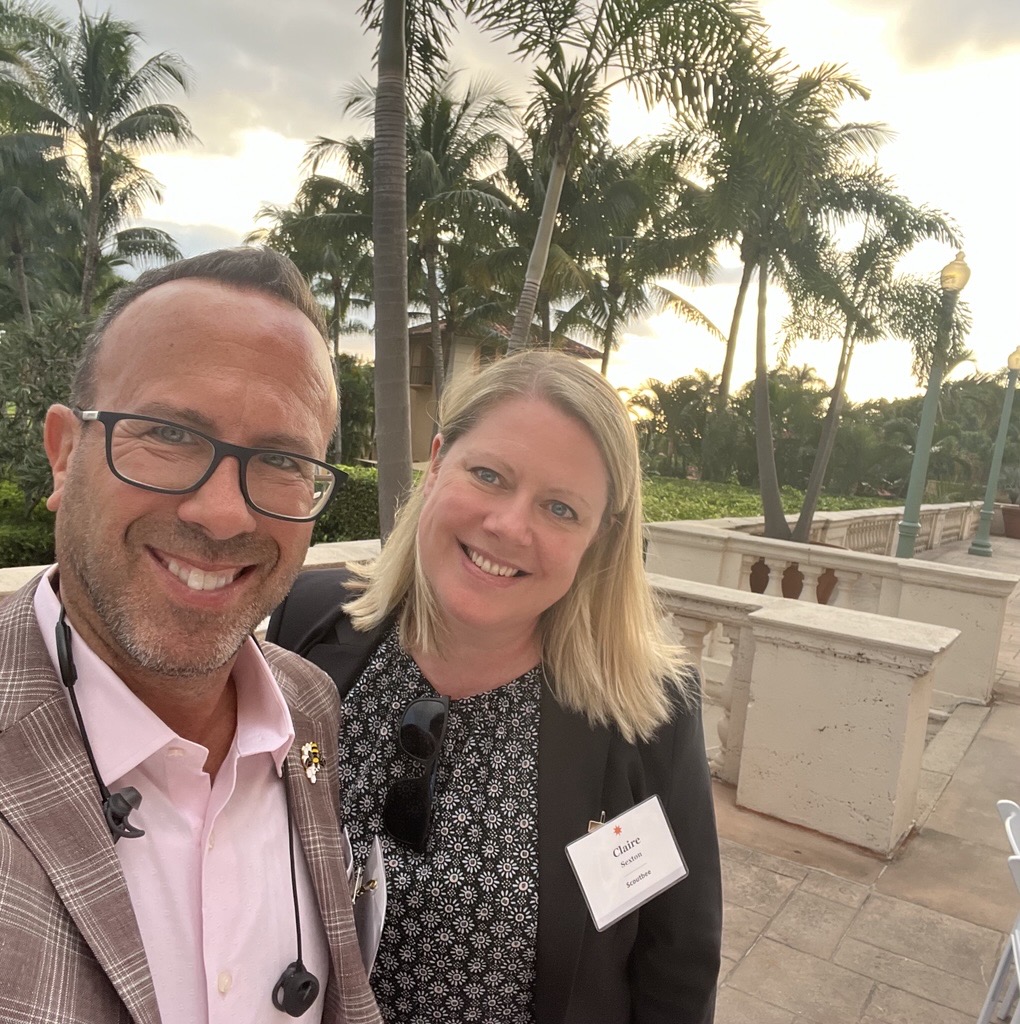
Working with Roger again was definitely a strong draw, but beyond that, what really stood out was Synertrade itself. The company has over 20 years of success, a very loyal customer base, and a strong reputation for delivering real value.
The Source-to-Pay market is highly competitive, with many strong players and new entrants emerging all the time. What convinced me was the foundation of the Synertrade platform (i.e. Synertrade 5 ), combined with the company culture and values. The way Synertrade works with customers — focusing on long-term value rather than short-term wins — is incredibly important in today’s environment. That’s something I genuinely wanted to be part of.
Several things immediately stood out to me.
First, the user interface and overall ease of use. I’ve seen a lot of procurement technology over the years — some very intuitive, some very difficult. Synertrade 5 is clearly designed with user experience in mind, which dramatically increases the chances of successful adoption.
Second, the depth of the end-to-end Source-to-Pay capabilities. This isn’t just an integrated system — it’s one unified platform. Workflows, processes, and data flow seamlessly across the entire lifecycle.
Data can be aggregated from external systems, but more importantly, it’s fully connected within the platform itself. That gives organizations visibility, insight, and control — not just over processes, but over the data that drives decisions.
User Interface & Ease of USe
End-to-End Source-to-Pay Capabilities
Conntected Data & Visibility
True end-to-end coherence. The ability to manage processes, transactions, workflows, and analytics within a single platform — while maintaining flexibility through integration — is a major differentiator.
Customers aren’t just executing processes; they’re gaining visibility, insights, and the ability to act on data in a meaningful way. That’s where Synertrade really stands out.
Visibility is still a continuous challenge. Data is often fragmented across departments and systems, making it difficult to understand and act on.
On top of that, procurement teams are dealing with very urgent issues: supply chain disruption, risk management, geopolitical uncertainty, tariffs, and constant cost pressure. They’re being asked to do more with less, while delivering tangible value to the business.
AI is certainly part of the conversation, but it’s not about AI for AI’s sake. It’s about using the right technology — whether AI-driven or not — to address real challenges, improve efficiency, and support procurement transformation.
Procurement will continue to face increasing pressure and expectations. The function touches the entire organization, which means it must remain agile and responsive in the face of constant change — whether that’s economic disruption, geopolitical events, or new regulatory and sustainability demands.
Technology will play a dual role: helping procurement react more effectively, but also enabling teams to be proactive.
The real opportunity lies in using technology not just to mitigate risk, but to actively create value and competitive advantage for the business. That shift — from execution to strategic impact — is what will define the next phase of procurement.
Meet the team, Claire and Roger, and contribute to the procurement thoughts